
Honey Garlic Salmon
 By Janet Homme · Updated January 16, 2026
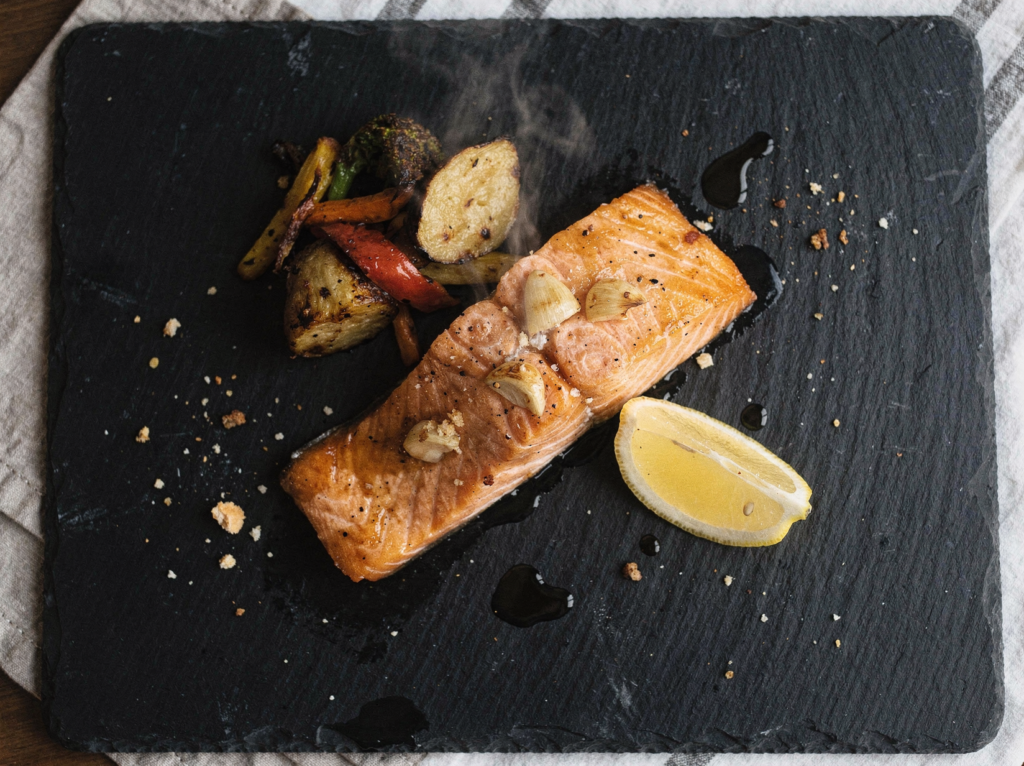
This honey garlic salmon is the recipe I lean on when I want something that feels special but takes almost no effort. The fillets get a deep golden sear, then bathe in a sticky sauce that turns glossy and clings to every flake. It tastes like a restaurant entree and comes together in about twenty minutes.
The magic is in the glaze, a simple balance of sweet honey, savory soy, bright lemon, and a little warmth from garlic and ginger. As it bubbles in the hot pan it reduces into a syrupy coating that caramelizes against the fish. There is real technique here, but none of it is hard.
Salmon has a reputation for being easy to overcook, and that worry keeps a lot of people from making it at home. I will walk you through the visual and temperature cues so you pull it at the perfect moment, with a tender center that just barely flakes.
Below you will find how to sear for a crisp exterior, build the glaze right in the same pan, and baste the fillets to a sticky finish. I will also cover the best sides, how to tell when salmon is done, and easy swaps if you keep your pantry stocked a little differently.
Why you will love this
- Quick enough for weeknights: The whole dish is on the table in about twenty minutes, which makes it realistic even on busy evenings.
- One pan only: Everything from the sear to the glaze happens in a single skillet, so cleanup is minimal.
- Restaurant quality at home: The caramelized glaze and crisp sear rival anything you would order out, for a fraction of the price.
- Naturally nutritious: Salmon is rich in omega 3 fats and protein, so this feels as good as it tastes.
- Pantry friendly sauce: The glaze comes together from staples like honey, soy sauce, and garlic that you likely already have.
What you will need
A short ingredient list means each one pulls its weight, especially the salmon and the glaze components. Here is what to look for at the store.
- Salmon fillets (4, about 6 ounces each): Look for fillets of even thickness so they cook at the same rate. Skin on protects the flesh and crisps beautifully in the pan.
- Honey (1/3 cup): This is the heart of the glaze, providing sweetness and the stickiness that lets it cling. A mild wildflower or clover honey works perfectly.
- Soy sauce (3 tablespoons): The salty, savory counterpoint that keeps the glaze from being cloying. Use low sodium if you want more control over the salt.
- Fresh garlic (5 cloves): Freshly minced garlic blooms in the butter and gives the sauce its signature aroma. Pre minced jarred garlic cannot match it here.
- Fresh ginger (1 teaspoon): A small amount of grated ginger adds brightness and a gentle warmth that lifts the whole sauce. Grate it on a microplane for the smoothest texture.
- Lemon juice (2 tablespoons): Acid balances the honey and cuts the richness of the salmon. Always use fresh, since bottled juice tastes flat and dull.
Equipment: You only need a large nonstick or stainless steel skillet, a microplane or grater for the ginger, and a spoon for basting.
How to make it, step by step
Step 1: Prep the salmon
Pat the salmon fillets very dry on all sides with paper towels. This step is not optional, because surface moisture steams the fish instead of letting it sear.
Season both sides evenly with the salt and pepper. Let the fillets sit at room temperature for about 10 minutes while you gather the rest of your ingredients.
Taking the chill off the fish helps it cook more evenly, so the outside does not overcook before the center is done.
Step 2: Sear flesh side down
Heat the olive oil in a large skillet over medium high until it shimmers. Lay the fillets in flesh side down, away from you to avoid splatter, and press gently for a few seconds so they make full contact.
Let them sear undisturbed for 3 to 4 minutes. Resist moving them, because the crust needs time to form and will release on its own once it is golden.
You are looking for a deep golden brown surface. If the fish sticks when you try to lift it, it simply needs another minute.
Step 3: Flip and crisp the skin
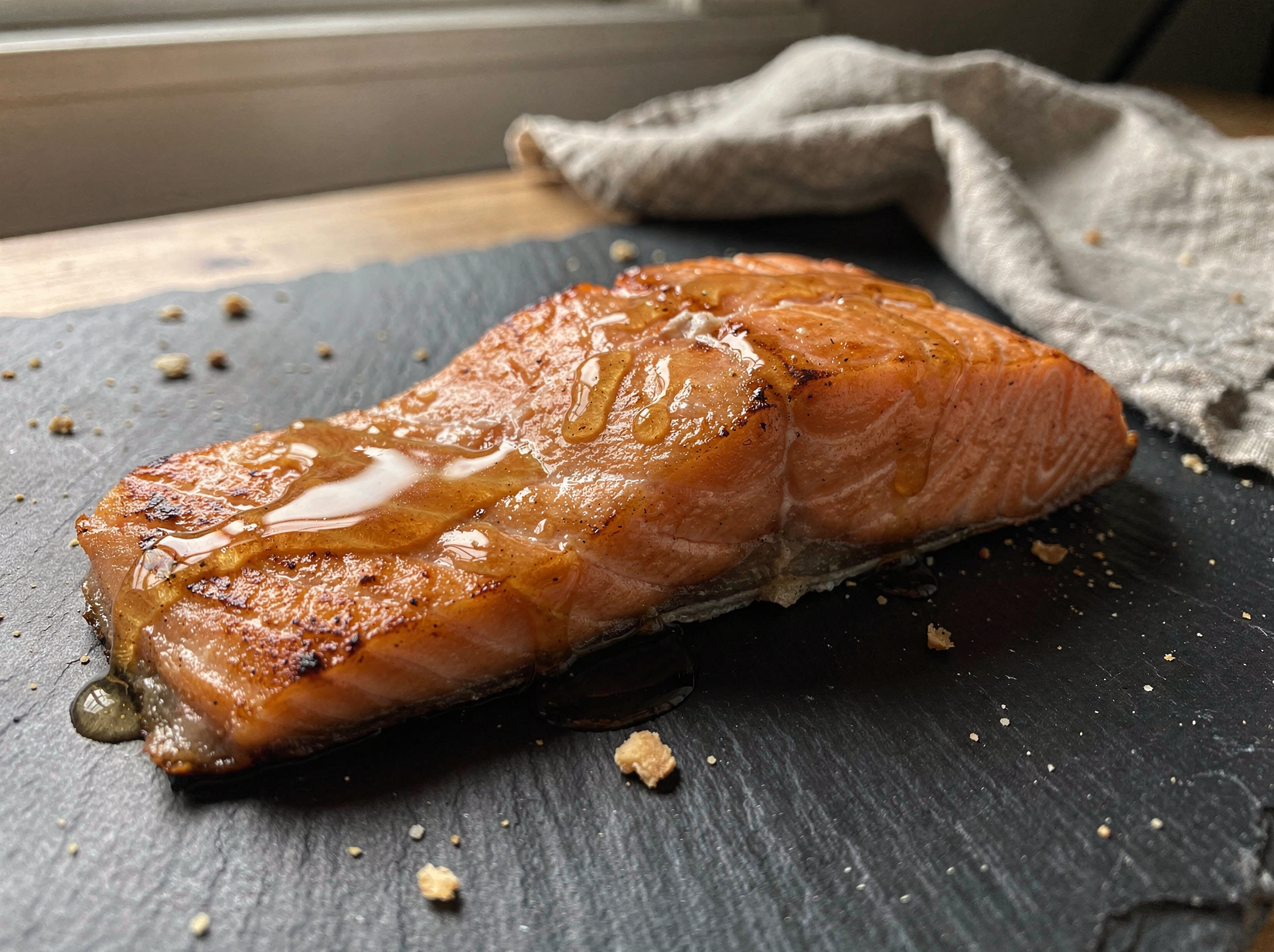
Carefully flip each fillet so the skin side is now down. The skin will crisp up against the hot pan while the glaze develops.
Cook for another 2 minutes to start the skin side. The salmon will not be fully done yet, which is exactly right since it finishes in the glaze.
Lower the heat to medium now. This prevents the honey from scorching when it goes into the pan in the next steps.
Step 4: Bloom the garlic
Add the butter to the pan and let it melt around the fillets. Scatter the minced garlic into the melted butter and the spaces between the fish.
Stir the garlic gently for about 45 seconds until it turns fragrant and just barely golden. Do not let it brown, because burnt garlic turns the whole sauce bitter.
The butter and garlic create the aromatic base that the rest of the glaze builds on.
Step 5: Add the glaze
In a small bowl, whisk together the honey, soy sauce, lemon juice, grated ginger, and red pepper flakes. Pour this mixture into the pan around the salmon.
It will bubble up immediately. Let it simmer for 2 to 3 minutes so it reduces and thickens into a glossy, syrupy consistency.
Swirl the pan occasionally to keep the glaze moving and to coat the bottom of each fillet.
Step 6: Baste the fillets
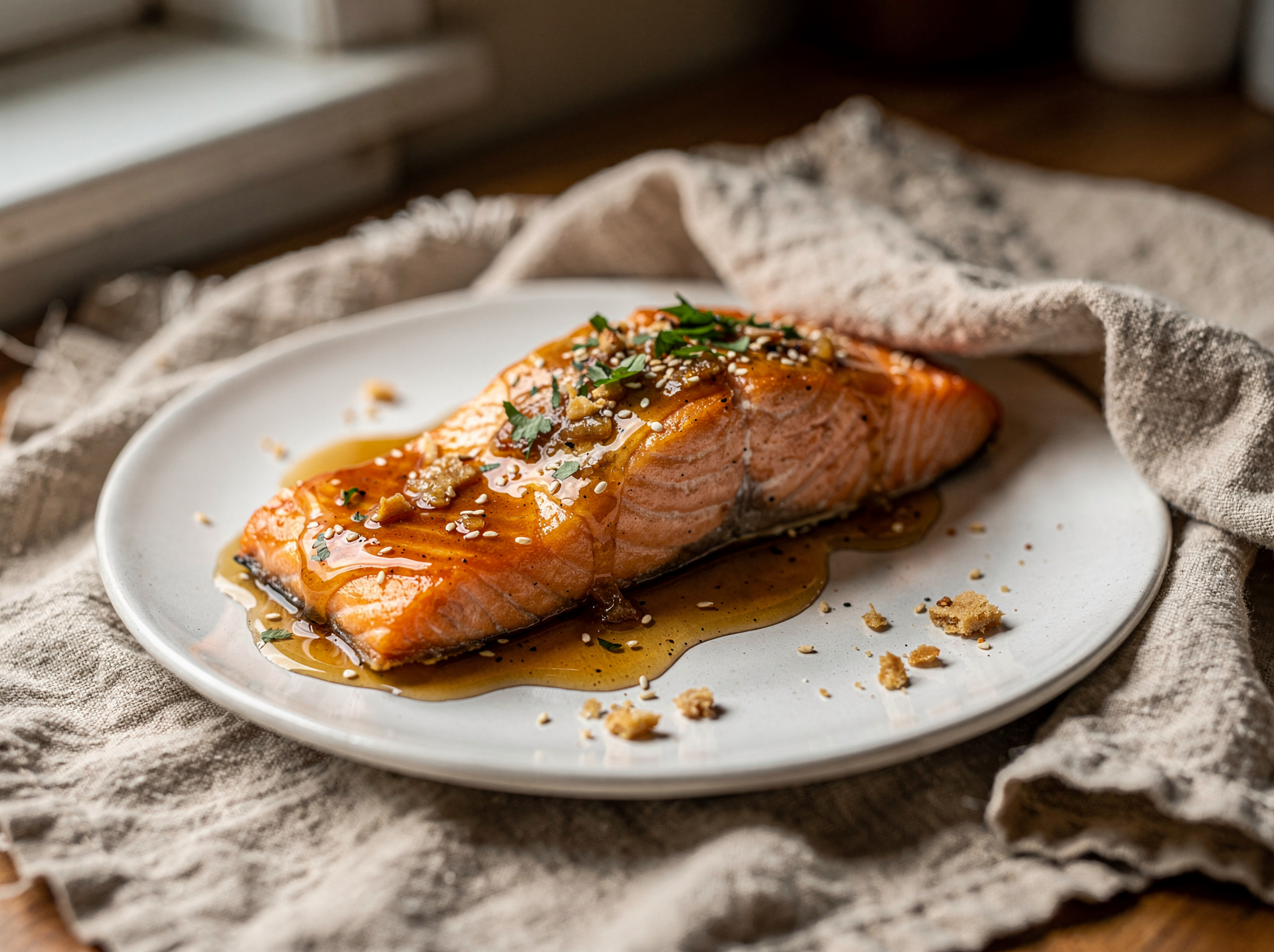
Tilt the pan slightly so the glaze pools on one side, then use a spoon to repeatedly ladle it over the tops of the fillets. Keep basting for a minute or two.
This continuous basting coats the salmon in a sticky lacquer and gently cooks the top without flipping it again. The glaze should be thick enough to cling rather than run off.
By now the salmon should flake easily when nudged with a fork and reach 125F to 130F at the thickest part for a moist center.
Step 7: Check for doneness
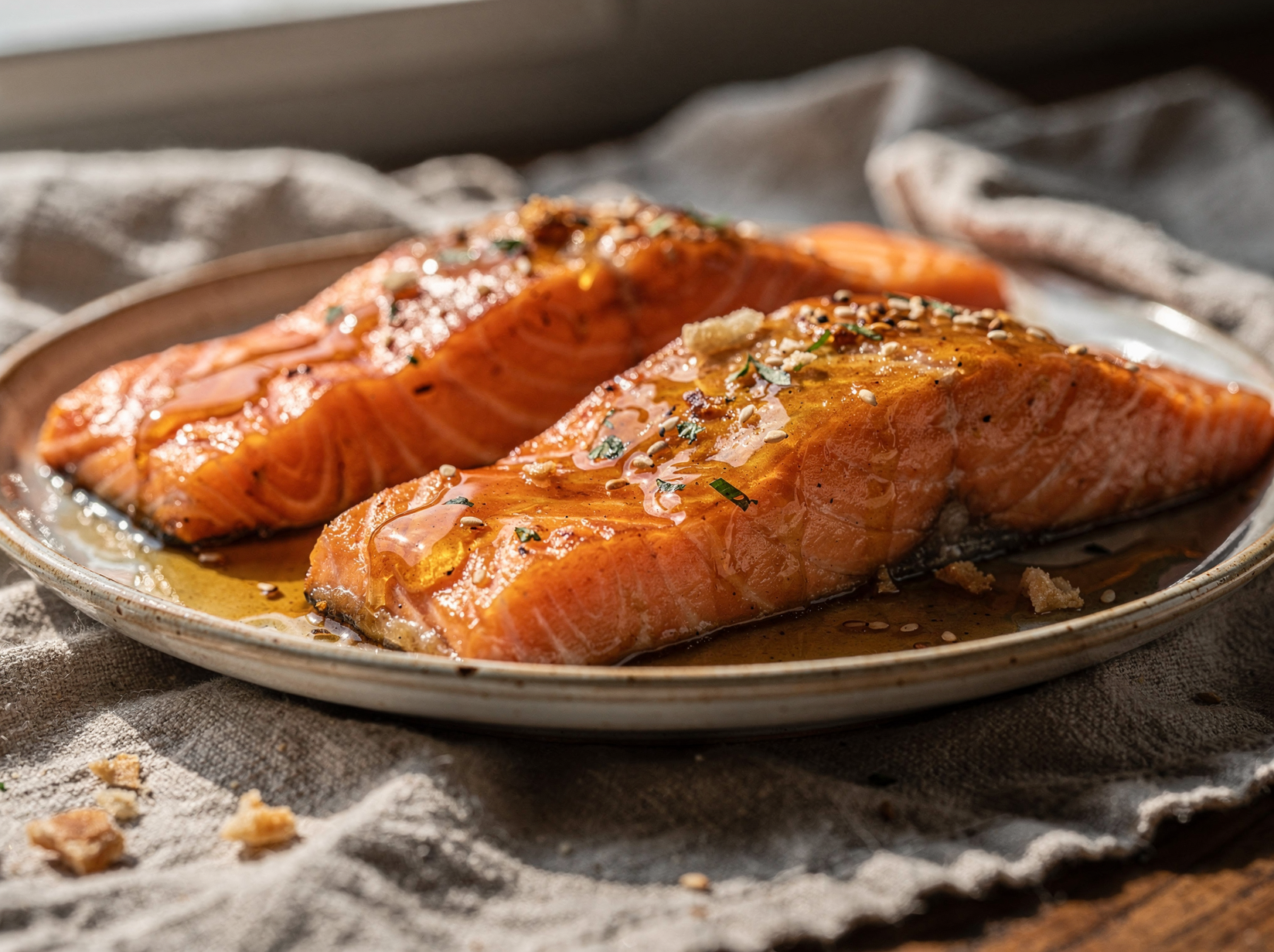
The most reliable way to nail salmon is an instant read thermometer. Pull the fish at 125F to 130F, since it will continue to cook a few degrees off the heat.
If you do not have a thermometer, gently press the top with your finger. Perfectly cooked salmon feels firm but still gives slightly and flakes into moist layers.
Avoid cooking past 140F, which is where salmon dries out and loses its silky texture.
Step 8: Garnish and serve
Transfer the fillets to plates and spoon any remaining glaze from the pan over the top. Sprinkle with chopped fresh parsley for color and a fresh note.
Serve immediately with lemon wedges on the side for squeezing. A final hit of fresh lemon brightens the rich glaze beautifully.
Pair it with rice or vegetables to soak up every drop of that honey garlic sauce.
Tips for the best results
- Dry the fish well: Patting the salmon completely dry is the single biggest factor in getting a deep golden sear.
- Lower the heat for honey: Reduce the heat before the glaze goes in so the sugars caramelize instead of burning.
- Use a thermometer: Pulling the salmon at 125F to 130F guarantees a moist center and takes all the guesswork out.
- Baste continuously: Spooning the glaze over the fish builds a glossy lacquer and cooks the top gently.
- Buy even fillets: Pieces of similar thickness cook at the same rate so nothing overcooks while you wait on the rest.
Variations and substitutions
- Spicy: Add a tablespoon of sriracha or extra red pepper flakes to the glaze for a sweet heat kick.
- Sesame ginger: Stir in a teaspoon of toasted sesame oil and finish with sesame seeds for a nuttier profile.
- Citrus swap: Use orange juice and zest in place of the lemon for a sweeter, mellower glaze.
- Sheet pan version: Roast the fillets at 400F and brush them with the reduced glaze for a hands off approach.
How to store and reheat
Store leftover salmon in an airtight container in the fridge for up to 3 days. Reheat gently in a covered skillet over low heat or in a 275F oven so it does not dry out.
Salmon can be frozen for up to 2 months, though the texture softens slightly once thawed. Defrost overnight in the fridge and flake it into salads or grain bowls rather than reheating whole.
What to serve it with
- Steamed jasmine or coconut rice to catch the glaze
- Roasted asparagus or broccolini with a squeeze of lemon
- A crisp cucumber and sesame salad for contrast
- Garlic butter green beans on the side
Frequently asked questions
The most reliable method is an instant read thermometer, which should read 125F to 130F at the thickest part for a moist center. Visually, the flesh turns opaque and flakes easily when nudged with a fork.
Cook it skin on. The skin protects the flesh from overcooking, crisps up nicely in the pan, and makes the fillet easier to flip without falling apart. You can peel it off after cooking if you prefer.
Honey scorches quickly at high heat. Lower the burner to medium before adding the glaze, and keep the sauce moving by swirling the pan and basting so the sugars caramelize evenly instead of burning.
Yes, just thaw it completely in the fridge overnight first. Pat it very dry before cooking, since thawed salmon releases extra moisture that can prevent a good sear.
It pairs beautifully with steamed rice to soak up the glaze, plus a green vegetable like asparagus or broccolini. A bright cucumber salad also balances the richness of the dish nicely.
Honey Garlic Salmon
Pan seared salmon glazed in a sticky honey garlic sauce that caramelizes into a glossy finish in under twenty minutes.
Ingredients
- 4 salmon fillets (about 6 ounces each), skin on
- 3/4 teaspoon kosher salt
- 1/2 teaspoon black pepper
- 1 tablespoon olive oil
- 2 tablespoons unsalted butter
- 5 cloves garlic, minced
- 1/3 cup honey
- 3 tablespoons soy sauce
- 2 tablespoons fresh lemon juice
- 1 teaspoon grated fresh ginger
- 1/4 teaspoon red pepper flakes
- 1 tablespoon chopped fresh parsley
- Lemon wedges, for serving
Instructions
- Pat the salmon dry and season with salt and pepper.
- Sear the fillets in oil, flesh side down first, until golden.
- Flip, then add butter and garlic and cook until fragrant.
- Stir together honey, soy sauce, lemon juice, ginger, and pepper flakes, then pour into the pan.
- Spoon the bubbling glaze over the salmon until thick and sticky.
- Finish with parsley and serve with lemon wedges.
Notes
- Dry salmon sears far better, so pat it thoroughly before it hits the pan.
- Pull the salmon at 125F to 130F for a moist, just cooked center.
- Lower the heat before adding honey so the glaze does not scorch.